Maintaining Clean Gear on Austin Excursions
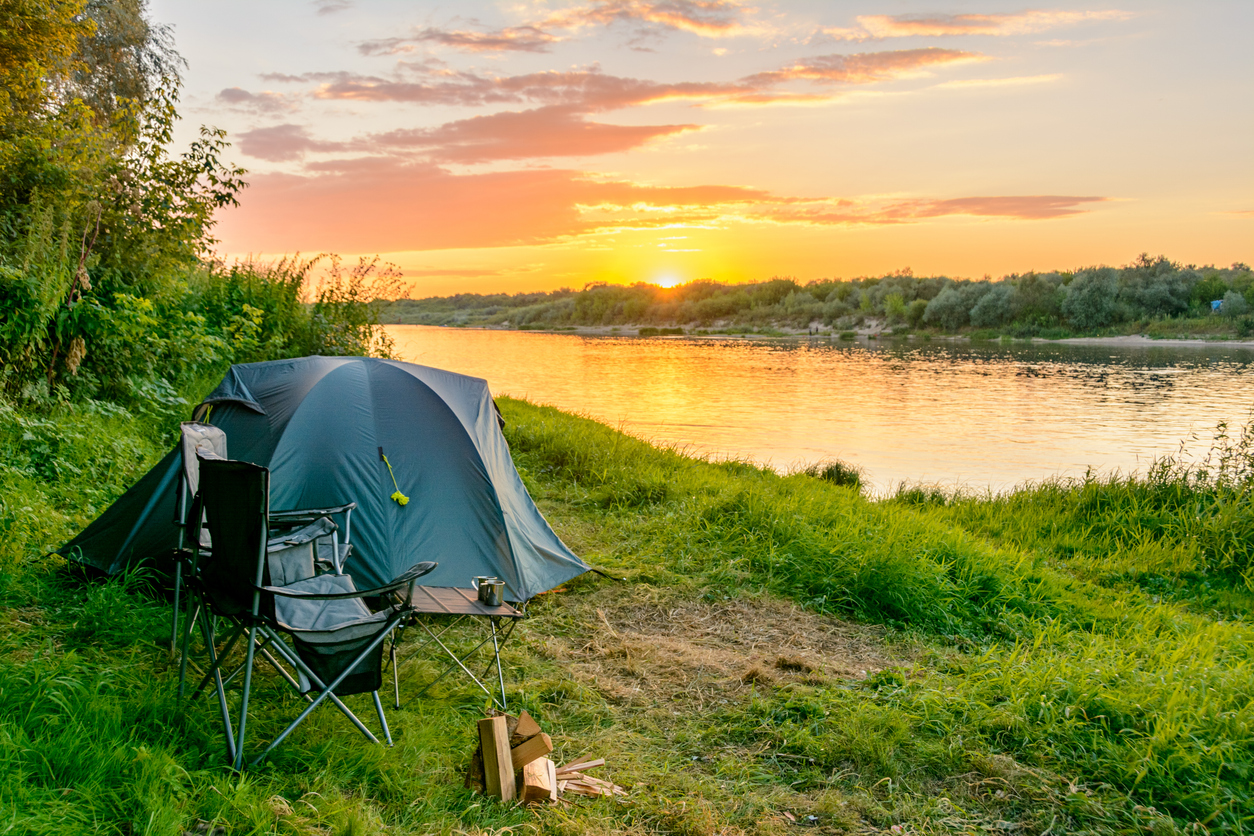
After returning from Austin’s trails, clean and dry your gear as soon as possible—ideally within 24–48 hours. Shake out dirt and debris, allow everything to dry completely, and inspect for wear before storing. Austin’s heat and periodic humidity can accelerate mold, odor, and material breakdown if gear is left damp. Store items in a cool, dry, indoor space rather than a garage, and check periodically to keep everything trail-ready for your next outing.
Clean Your Camping Gear Within 24–48 Hours of Returning
Once you return from an outdoor trip around Austin, prompt cleaning helps prevent long-term damage. Start by shaking out your tent, sleeping pad, and groundsheet to remove dust, sand, and plant debris.
Use a soft brush or cloth to clean off dirt from tents and packs. Spot-clean high-contact areas like tent floors or backpack straps using mild soap and water rather than harsh detergents.
For footwear, knock boots together outside and brush off dried mud. Remove insoles if needed and allow them to air out separately. Empty all pockets in backpacks to remove food wrappers, moisture, or organic debris that could lead to odors or pests.
Avoid putting tents in a standard washing machine unless the manufacturer specifically allows it, as this can damage coatings and seams.
Austin Trail Conditions That Affect Your Gear
Austin’s outdoor environments present unique challenges that can impact your gear over time. Many trails, especially in places like the Greenbelt and Hill Country parks, feature limestone-based terrain, which creates fine dust that can settle into zippers, fabrics, and seams.
Seasonal factors also play a role. During winter and early spring, cedar pollen is common in Central Texas and can cling to gear, causing buildup and potential irritation if not cleaned properly. In wetter months, mud and moisture can increase the risk of mildew if gear is not dried thoroughly.
Understanding these local conditions helps you prioritize cleaning and maintenance after each trip, especially for high-contact areas like boots, packs, and tent floors.
Dry Tents and Packs Completely to Prevent Mold
After cleaning, thorough drying is essential. Even small amounts of trapped moisture can lead to mildew, especially during Austin’s more humid periods.
Set up tents or hang them in a well-ventilated, shaded area. Avoid prolonged direct sunlight, which can degrade fabric over time. Open all zippers and vents to promote airflow.
Sleeping bags should be hung or laid flat to dry completely. Turn them occasionally to ensure even drying. Backpacks and stuff sacks should be opened fully and allowed to air out.
Using fans indoors can speed up the process, especially during humid weather. Make sure all components—zippers, seams, and corners—are completely dry before storing.
Patch Damage and Restore Waterproofing Before Storage
Before storing your gear, take time to inspect and repair any damage. Look closely at seams, zippers, and high-wear areas on tents, rain gear, and packs.
Small holes or tears can be repaired with products like Tenacious Tape or Seam Grip, which are commonly used for outdoor gear. Addressing minor damage early prevents it from worsening on your next trip.
To maintain water resistance, wash technical fabrics with a gear-specific cleaner and reapply a durable water repellent (DWR) treatment when water stops beading on the surface. Follow product instructions carefully, as some treatments require low heat to activate.
Proper maintenance helps extend the life of your gear and keeps it performing well in changing weather conditions.
Store Gear Loosely in Cool, Dry Locations
Storage plays a major role in preserving your equipment. Keep gear in a climate-controlled indoor space, such as a closet or storage room, rather than garages or sheds where temperature and humidity fluctuate.
Store sleeping bags loosely in large, breathable sacks instead of compression bags to protect insulation. Keep air pads unrolled or loosely stored with valves open to maintain their shape.
Organize gear in labeled bins or shelves for easy access. Avoid stacking heavy items on delicate equipment, and keep sharp tools stored safely away from fabrics.
Fuel canisters and flammable items should be stored separately in a safe, well-ventilated area according to manufacturer guidelines.
Inspect Stored Gear Regularly for Wear and Deterioration
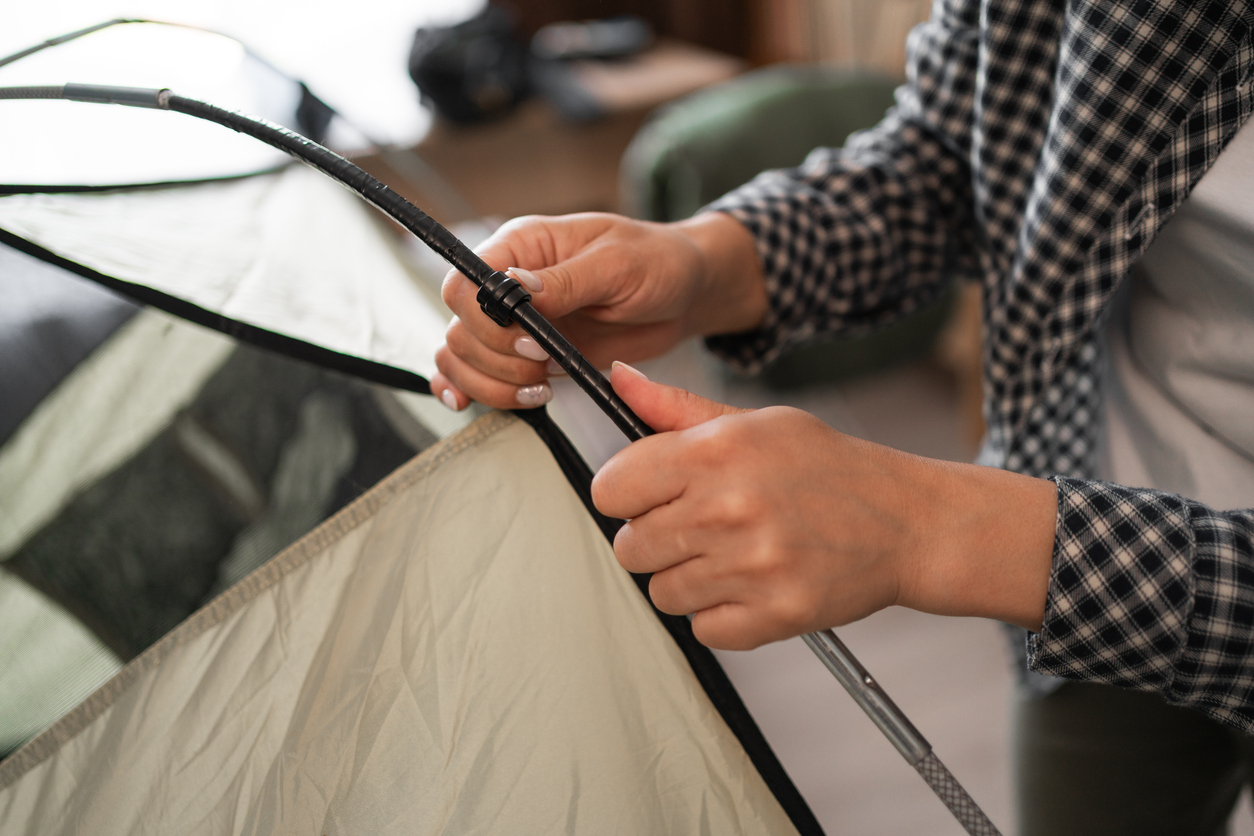
Routine inspections help ensure your gear remains safe and functional. Check equipment every few months, especially if it has been stored for an extended period.
Look for fraying straps, loose stitching, damaged buckles, or worn coatings. Test zippers to ensure smooth operation and check for corrosion or dirt buildup.
Inspect waterproof gear by lightly sprinkling water on the surface—if it no longer beads, it may need re-treatment. Also check for any signs of mold or musty odors, which indicate moisture exposure.
Keeping a simple checklist or note of gear condition can help you track wear over time and plan repairs or replacements before your next trip.
Recommended Gear Cleaning Products for Outdoor Equipment
Using the right cleaning products helps preserve performance and extend the life of your outdoor gear. Standard detergents can damage waterproof coatings and technical fabrics, so it’s best to use products specifically designed for outdoor equipment.
Brands like Nikwax offer cleaners such as Tech Wash for waterproof clothing and TX.Direct for restoring water repellency. Gear Aid provides repair and maintenance solutions, including Revivex DWR Spray and seam sealants for tents and jackets.
For odor control and gentle cleaning, products like Grangers Performance Wash or similar technical detergents are also widely used. These cleaners remove dirt without stripping protective coatings, making them ideal for gear used on Austin’s dusty and sometimes humid trails.