A Year-Round Vacuum Maintenance Calendar for Cleaner Homes
A vacuum cleaner works hard in every season. It picks up dust, dirt, pet hair, crumbs, pollen, road grit, and all the little debris that gets tracked through a home. Because of that, it needs regular care to keep working well.
Good vacuum maintenance does not have to be difficult. A few simple habits can help protect the motor, improve suction, reduce odors, and extend the life of your machine.
This year-round vacuum maintenance calendar explains what to check each month and what to focus on during each season.
Why Vacuum Maintenance Matters
A neglected vacuum loses power over time. Filters clog. Brush rolls get tangled. Belts stretch or crack. Hoses collect hidden blockages. When these problems build up, the vacuum has to work harder than it should.
That extra strain can lead to overheating, weak suction, strange smells, and motor damage. In many cases, a small maintenance task, such as cleaning a filter or replacing a belt, can prevent a much more expensive repair.
Regular maintenance also supports better indoor air quality. A vacuum with dirty filters or damaged seals can release dust and allergens back into the room. This is especially important in homes with pets, children, or people with allergies.
A well-maintained vacuum cleans better, lasts longer, and helps keep the home healthier.
Monthly Vacuum Maintenance Tasks
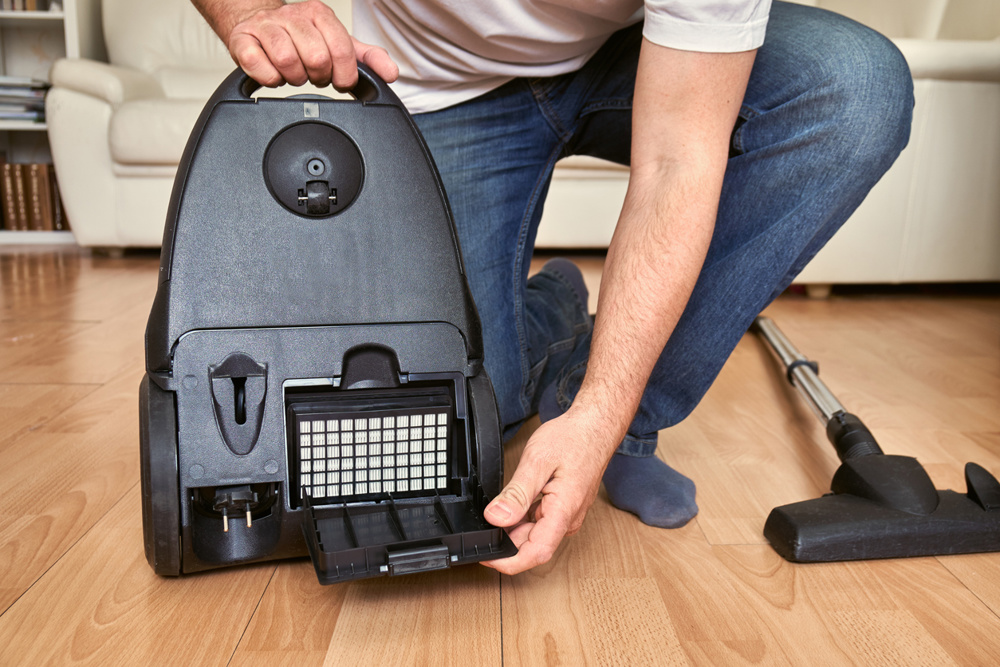
Monthly maintenance is the best way to prevent small issues from turning into bigger problems. These tasks are simple, but they make a big difference.
Start by checking the filter. If your vacuum has a washable filter, rinse it according to the manufacturer’s instructions. Let it dry completely before putting it back in. A damp filter can damage the motor and create odors.
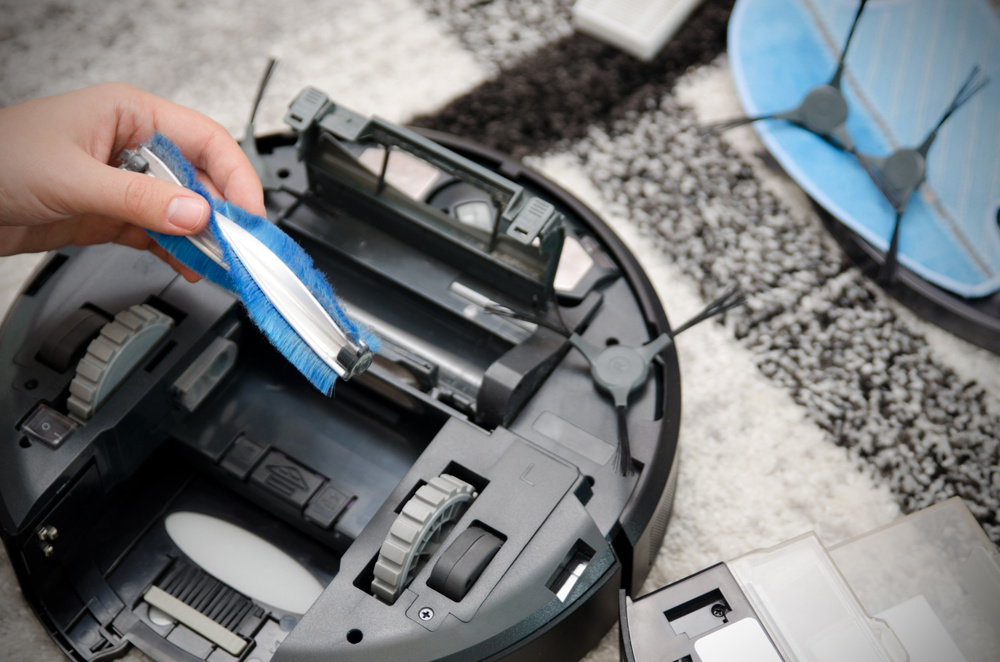
Next, inspect the brush roll. Hair, thread, and fibers often wrap around it. Use scissors or a seam ripper to cut away tangled material. Be careful not to damage the bristles.
Check the belt if your vacuum uses one. Look for cracks, stretching, or loose movement. A worn belt can reduce brush roll performance and place extra strain on the motor.
You should also empty the dust bin or replace the bag before it gets too full. A packed bag or bin blocks airflow and makes the vacuum less effective.
Using a monthly calendar can make vacuum maintenance easier by giving you a simple way to schedule filter cleaning, belt checks, and seasonal deep-cleaning tasks throughout the year.
Winter Vacuum Maintenance
Winter can be tough on vacuums. Dirt, road salt, grit, and moisture often get tracked indoors during colder months. These materials can wear down brush rolls, clog filters, and collect inside hoses.
During winter, clean or check the filter more often, especially if your home sees heavy foot traffic. Salt and fine dust can clog filters faster than normal household dirt.
Inspect the hose for stiffness, cracks, or trapped debris. Cold temperatures can make some hoses less flexible, which increases the risk of cracking if they are bent sharply.
Pay attention to the brush roll as well. Road grit and small stones can get caught near the bearings or bristles. Clean the brush roll every couple of weeks if your vacuum is picking up a lot of winter debris.
If you store your vacuum in a cold garage or utility area, avoid using it immediately after bringing it into a warm room. Let it adjust to room temperature first. This helps reduce the risk of condensation inside the machine.
Spring Vacuum Maintenance
Spring is a good time for a deeper vacuum inspection. After months of winter use, the vacuum may have buildup in the filters, hoses, and brush area.
Start by washing washable filters. Use warm water and mild soap if the manufacturer allows it. Rinse until the water runs clear. Let the filter air dry fully before reinstalling it.
Check the belt for signs of wear. Winter debris can make the brush roll work harder, which may wear down the belt faster. Replace the belt if it looks cracked, loose, shiny, or stretched.
Listen to the motor while the vacuum is running. Grinding, humming, or rattling sounds may point to clogs, worn parts, or motor strain.
Spring is also a good time to clear the hose. Detach it if possible and check for hidden blockages. A broom handle or flexible cleaning tool can help remove debris, but avoid using anything sharp that could puncture the hose.
Summer Vacuum Maintenance
Summer often brings more dust, pollen, and pet hair into the home. If you have pets, your vacuum may work harder during this season because many animals shed more in warm weather.
Clean the brush roll frequently. Pet hair can wrap tightly around the roller and reduce its ability to pick up dirt. If your vacuum has an anti-tangle brush roll, it still needs regular checking.
Replace or clean filters more often during periods of heavy use. A clogged filter reduces suction and can cause the motor to heat up.
Vacuum pet areas, entryways, and high-traffic rooms regularly. This helps prevent hair and dirt from building up in carpets and rugs.
Also check vents and openings on the vacuum body. Dust and pet hair can block airflow around the motor. Keeping these areas clear helps the machine run cooler and more efficiently.
Fall Vacuum Maintenance
Fall is the right time to prepare your vacuum for heavier indoor use. As the weather cools, people usually spend more time inside, which means more dirt, crumbs, dust, and debris collect on floors.
Begin with a full inspection. Check the cord, plug, hose, attachments, dust bin, filters, and brush roll.
Test the suction. If the vacuum sounds normal but does not pick up well, there may be a clog in the hose, wand, or airflow path.
Look for warning signs such as burning smells, loud grinding, or sudden shutoffs. These problems should not be ignored. They may signal motor stress, blocked airflow, or worn internal parts.
Fall is also a smart time to schedule professional servicing if your vacuum is older, used heavily, or part of a central vacuum system. A technician can inspect seals, bearings, motor brushes, and internal components that are harder to check at home.
Warning Signs Your Vacuum Needs Immediate Attention
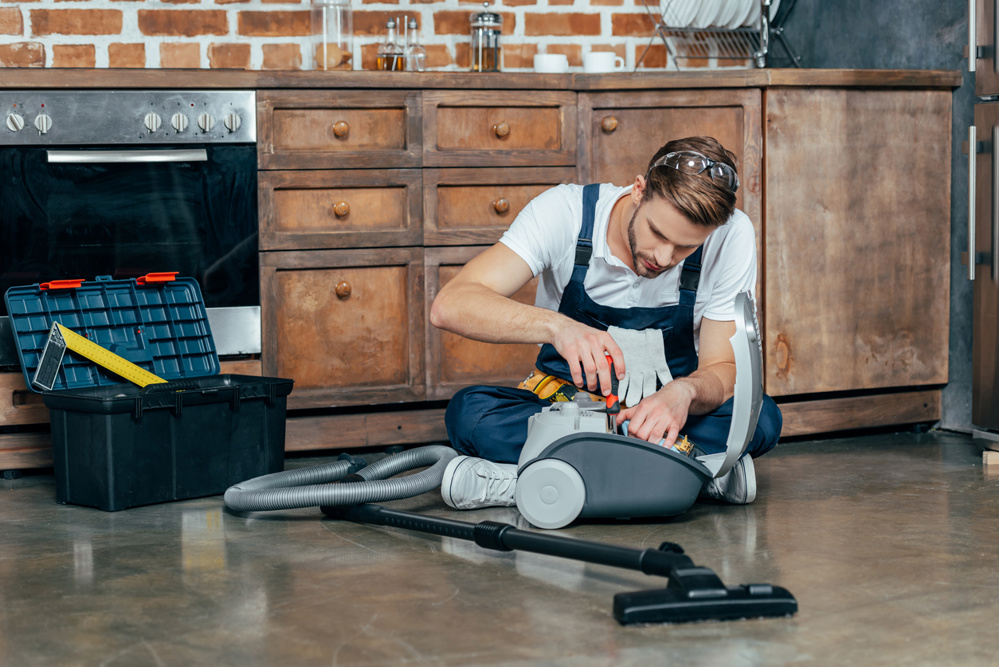
Some vacuum problems need quick action. Continuing to use the machine can make the damage worse.
Stop and inspect your vacuum if you notice:
- A burning smell
- A hot cord or plug
- Sudden loss of suction
- Loud grinding, knocking, or squeaking
- Dust blowing back into the room
- Random shutoffs
- A brush roll that stops spinning
- A hose that keeps clogging
- Visible cracks, leaks, or loose seals
A burning smell is especially serious. It may come from a worn belt, overheated motor, or electrical issue. Turn the vacuum off and unplug it before checking anything.
Loss of suction is often caused by a full bin, clogged filter, blocked hose, or tangled brush roll. These are usually easy to fix if caught early.
Dust blowing out of the vacuum may mean the filter is dirty, installed incorrectly, or damaged. It can also point to a broken seal.
Annual Vacuum Maintenance Checklist
Once a year, give your vacuum a more complete inspection. This helps catch wear that may not be obvious during regular use.
Check the following items:
- Filters
- Belts
- Brush roll
- Hose
- Attachments
- Power cord
- Wheels
- Seals
- Dust bin or bag compartment
- Motor vents
Replace HEPA filters every six to twelve months, depending on use and manufacturer guidance. Homes with pets or allergy concerns may need more frequent filter changes.
Inspect attachments for cracks or blockages. Dusting brushes, crevice tools, and upholstery tools can collect lint and hair over time.
If you have a central vacuum system, inspect each inlet for suction strength. Weak suction at one inlet may point to a clog or leak in that section of the system.
A yearly tune-up can help extend the life of the vacuum, especially for higher-end models.
When to Repair a Vacuum
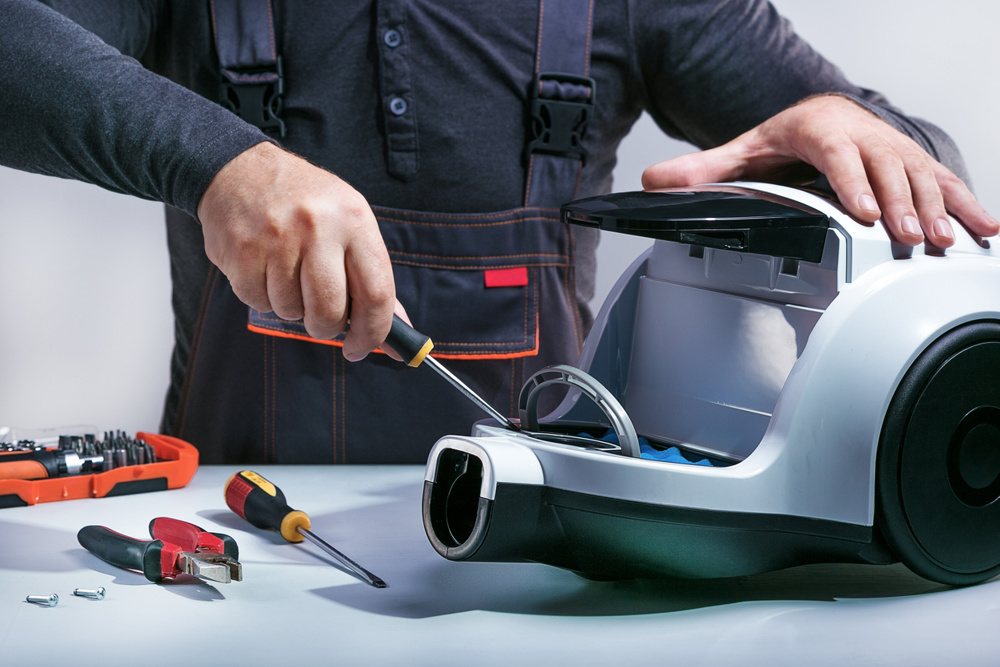
Repair can make sense when the vacuum is still fairly new or the problem is minor.
Common repairs include replacing:
- Belts
- Filters
- Hoses
- Brush rolls
- Power cords
- Small wheels or clips
- Attachments
If the vacuum is under five years old and the repair cost is low, fixing it is often a good choice. This is especially true if the vacuum still has strong suction and replacement parts are easy to find.
A professional repair quote can help you decide. As a general rule, repair may be worthwhile if the cost is less than half the price of a similar new vacuum.
When to Replace a Vacuum
Replacement may be the better choice if the vacuum is old, unreliable, or no longer meets your needs.
Consider replacing your vacuum if it:
- Loses suction even after cleaning
- Overheats often
- Has repeated motor problems
- Smells bad after maintenance
- Needs frequent repairs
- Has parts that are hard to find
- No longer works well for your flooring or lifestyle
A vacuum that is ten years old or older may not be worth repairing if major parts are failing. Newer models may offer better filtration, stronger suction, quieter operation, or features designed for pet hair and hard floors.
Lifestyle changes matter too. If you have added pets, moved into a larger home, or changed from carpet to hard flooring, your old vacuum may no longer be the best fit.
Simple Habits That Keep Your Vacuum Working Longer
The easiest way to protect your vacuum is to avoid overworking it. Empty the bin or replace the bag before it is completely full. Clean filters on schedule. Remove hair from the brush roll often. Check hoses when suction drops.
Store the vacuum in a dry place. Keep attachments together so they do not get lost or damaged. Avoid vacuuming wet messes unless your machine is designed for that purpose.
Most vacuum problems start small. A clogged filter, tangled brush roll, or worn belt may not seem serious at first. Over time, those small issues can strain the motor and reduce cleaning power.
Final Thoughts
Vacuum maintenance is one of the simplest ways to keep your home cleaner and protect an appliance you use often. A few minutes each month can prevent weak suction, overheating, odors, and costly repairs.
Follow a seasonal schedule, watch for warning signs, and handle small problems early. Your vacuum will clean better, last longer, and help support a healthier home all year.