Interesting Facts About Vacuum Cleaners You Probably Never Knew
Most people use a vacuum cleaner without giving it much thought. It sits in a closet, comes out when the floor needs cleaning, and goes right back when the job is done.
But the history of the vacuum cleaner is surprisingly interesting.
This everyday household tool traces back to hand-powered machines, horse-drawn cleaning systems, clever sales demonstrations, health campaigns, robot technology, and even lunar exploration. Along the way, vacuum cleaners changed how people cleaned their homes, protected indoor air, and thought about dirt itself.
Here are some of the most interesting facts about vacuum cleaners and how they became such an important part of modern life.
The 1860 Hand-Pump That Helped Start Mechanical Cleaning
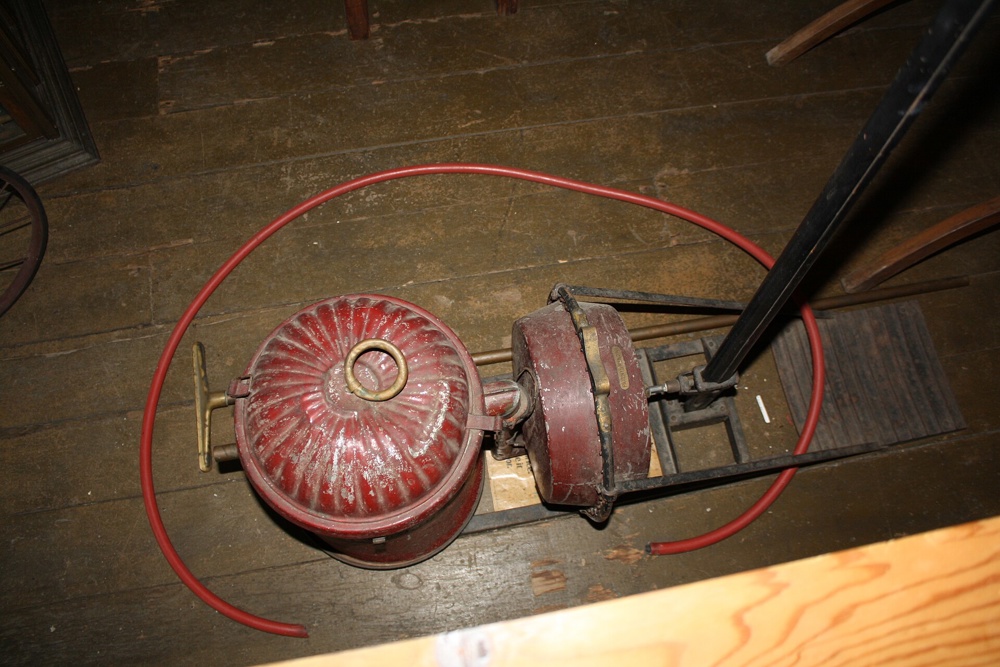
One of the earliest vacuum cleaner designs came from Daniel Hess, an inventor from West Union, Iowa. In 1860, Hess patented a device he called a carpet sweeper.
Although the name sounds simple, the machine was far more advanced than an ordinary broom. It used rotating brushes to loosen dirt from carpets and a bellows system to create suction. Large, air-tight chambers expanded and contracted, pulling air and dust into the machine.
That made Hess’s invention an early example of suction-based cleaning.
The machine still required a lot of physical effort. A person had to manually operate the bellows to move air through the device. It was not practical enough for mass production, but it introduced ideas that later vacuum designers would build on.
At a time when carpets were expensive household items, Hess’s invention offered a new way to think about cleaning them. Instead of beating rugs outside or sweeping dust around the room, his design aimed to pull dirt away from the carpet surface.
The Vacuum Cleaner That Was the Size of a Cart
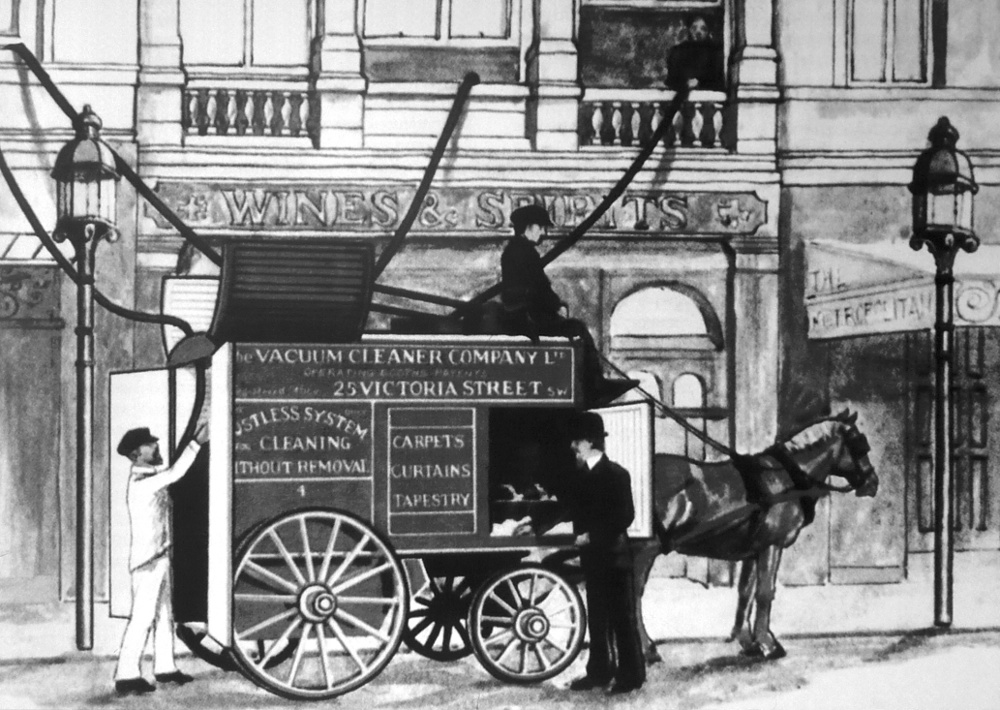
In 1901, British engineer Hubert Cecil Booth changed the direction of vacuum cleaner history.
Booth attended a demonstration at London’s Empire Music Hall and noticed a major problem with the cleaning machine being shown. It blew air across the floor instead of sucking dirt up. The inventor reportedly claimed that suction could not work.
Booth disagreed.
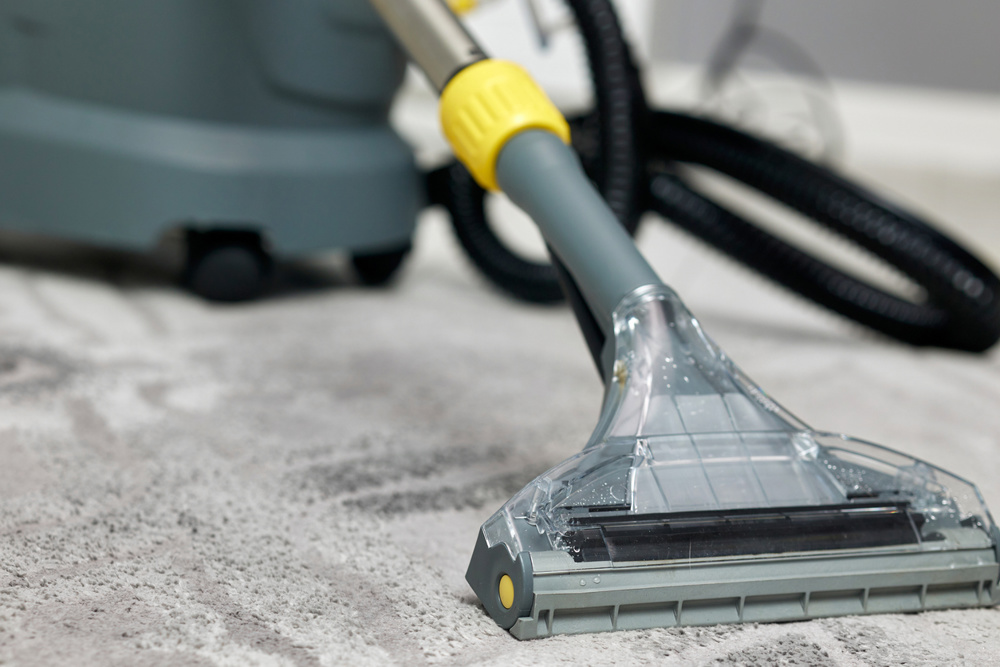
To prove his point, he designed a large suction machine known as the “Puffing Billy.” It was so big that it had to be transported by horse-drawn carriage. Workers parked it outside homes and ran long hoses through windows to clean carpets indoors.
The machine was not convenient, but it was impressive. Wealthy customers could see that it removed dirt from their homes in a way sweeping could not.
Booth also understood the power of demonstration. His machine included a glass chamber that allowed clients to see the dirt being collected. That visual proof helped convince people that suction cleaning worked.
The Puffing Billy was later used for large cleaning jobs, including work at the Crystal Palace. It showed that suction technology could handle serious cleaning tasks, even before vacuum cleaners became small enough for ordinary homes.
Salespeople Learned That Dirt Could Sell Vacuums
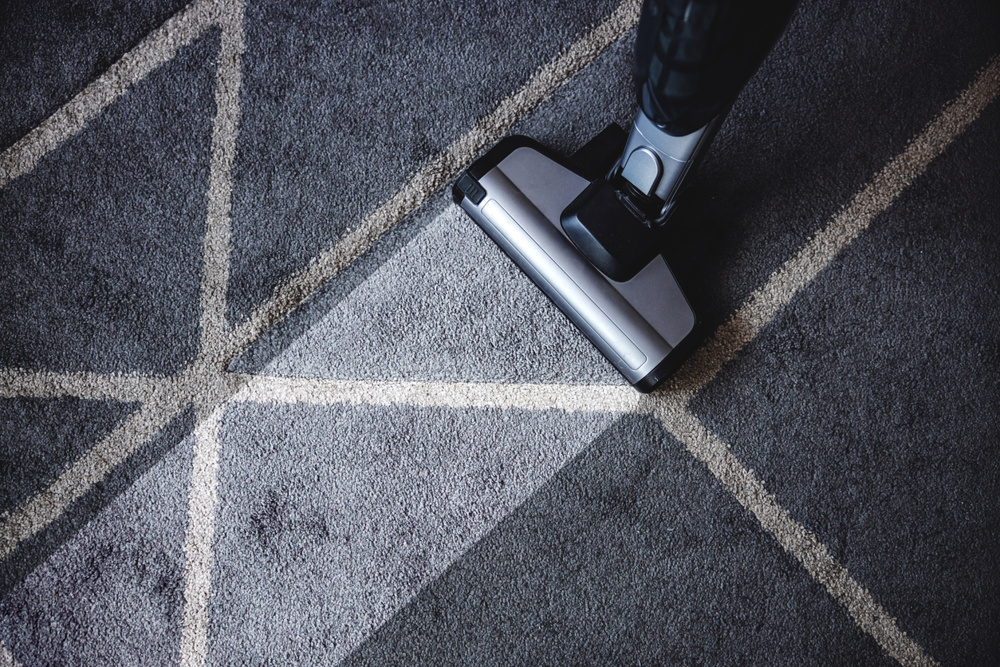
Booth’s glass chamber showed customers the dirt their carpets had been hiding. Later vacuum companies used the same basic idea in more dramatic ways.
Kirby sales demonstrations became especially famous for this approach. Salespeople would vacuum a carpet and then place black fabric swatches on the floor to show how much dirt still remained. The darker the swatches became, the stronger the sales pitch felt.
The point was simple: people might think their carpets were clean, but the demonstration suggested otherwise.
These demonstrations worked because they made invisible dirt feel real. Dust, grit, and debris could be easy to ignore when hidden deep in carpet fibers. Once customers saw proof on a cloth or inside a clear chamber, the problem felt harder to dismiss.
Vacuum marketing often relied on that reaction. It turned cleaning from a routine chore into a matter of hygiene, pride, and household care.
If you enjoy surprising facts like these, you can test your knowledge with more fun trivia questions here.
Vacuum Cleaners Work Through Air Pressure
A vacuum cleaner may seem simple, but the science behind it is clever.
When you turn on a vacuum, its motor spins a fan at high speed. The fan pushes air forward, which lowers the pressure behind it. Air from the room then rushes into the vacuum through the intake port.
That moving air carries dust, crumbs, pet hair, and other debris with it.
This process depends on both suction and airflow. Suction refers to the pressure difference that pulls air into the machine. Airflow refers to how much air moves through the vacuum.
A vacuum needs both to clean well.
Strong suction without enough airflow may struggle to move dirt through the hose or cleaning head. Strong airflow without enough suction may fail to lift heavier debris. Good vacuum design balances both forces.
That is also why clogged filters, full dustbins, and blocked hoses can reduce performance so quickly. They interrupt airflow and weaken the system, even if the motor is still running.
Filtration Was Important From the Beginning
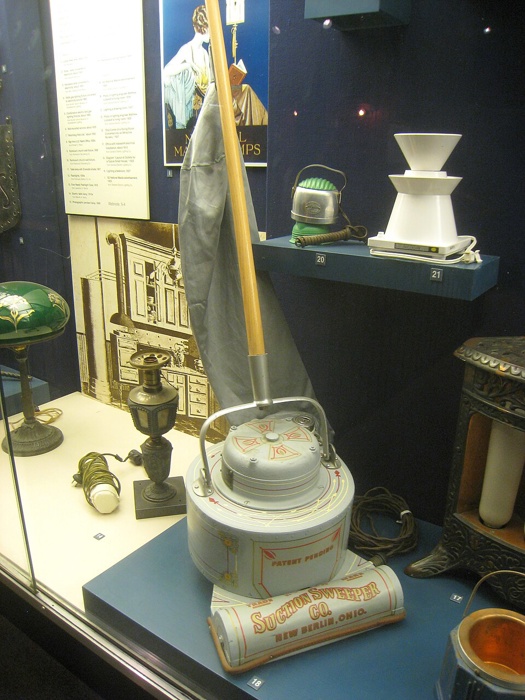
Early vacuum designers were not only trying to remove visible dirt. They were also trying to trap dust instead of spreading it around.
Before vacuum cleaners, many cleaning methods moved particles from one place to another. Beating rugs outdoors released dust into the air. Sweeping floors could stir up fine particles that settled again later.
Booth recognized this problem early. His machines used cloth filters to capture dust as air moved through the system.
Other designers explored different filtration methods. Some machines used cloth bags. Others used water to trap particles. Later designs used cyclonic separation, which spins dirt out of the airflow.
The goal stayed the same: pull dirt in and keep it there.
The Hoover Company helped make vacuum maintenance easier when it introduced disposable filter bags in the 1920s. That change made household vacuums cleaner and more practical to use.
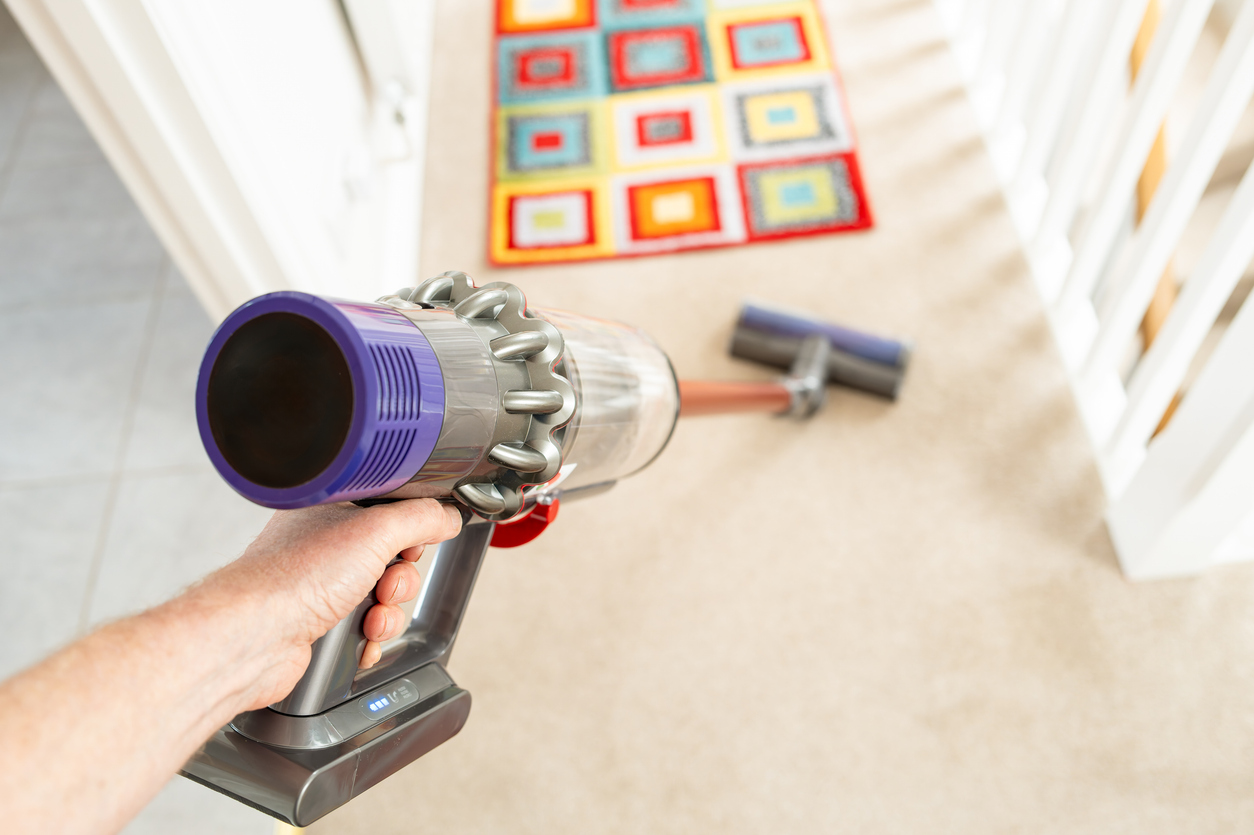
Modern vacuums continue this focus on filtration. Many models now include HEPA filters that trap fine particles such as pollen, dust, and allergens. For people with allergies or respiratory sensitivity, that can make a noticeable difference in indoor air quality.
Vacuum Cleaners Became Household Staples After World War II
For many years, vacuum cleaners were expensive and difficult to own. Early models were large, heavy, and often aimed at wealthy households or commercial customers.
That changed after World War II.
Postwar manufacturing made appliances cheaper, lighter, and easier to produce at scale. Rising household incomes also gave more families the ability to buy labor-saving devices.
Vacuum cleaners became part of the modern middle-class home.
Companies such as Hoover, Kirby, Electrolux, and Miele refined their machines with better motors, lighter bodies, improved brush rolls, and disposable bags. Homes were also changing. Wall-to-wall carpeting became more common, which made vacuum cleaners feel less like luxuries and more like necessities.
By the 1950s, vacuum cleaners had become familiar household tools. They helped define a new era of domestic convenience, along with washing machines, refrigerators, and other appliances that promised to make home life easier.
Robot Vacuums Arrived Before Roomba Became Famous
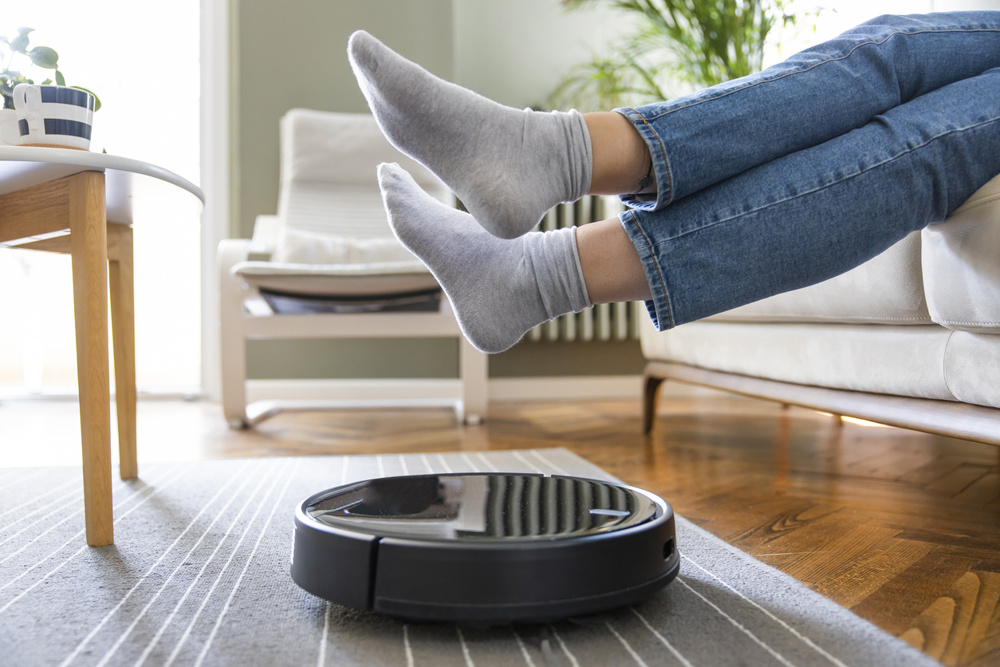
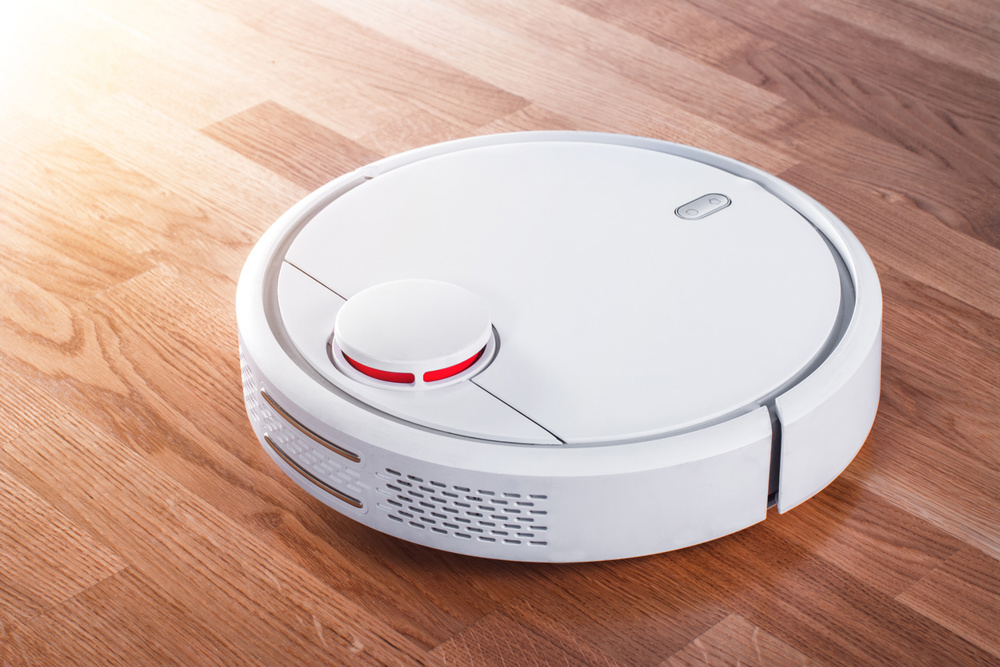
Many people associate robot vacuums with Roomba, which iRobot introduced in 2002. Roomba made autonomous floor cleaning popular, but it was not the first robot vacuum.
Electrolux introduced the Trilobite robot vacuum before Roomba became a household name. It used sensors to detect obstacles and navigate rooms on its own.
The idea of robotic floor cleaning goes back even further. Inventors had imagined self-guided cleaning machines decades before they became practical consumer products.
What made robot vacuums so interesting was not only their ability to clean. It was the promise that a household chore could happen with little human effort.
Early robot vacuums still had limits. They could get stuck, miss areas, or struggle with certain floor layouts. Even so, they showed where the industry was headed.
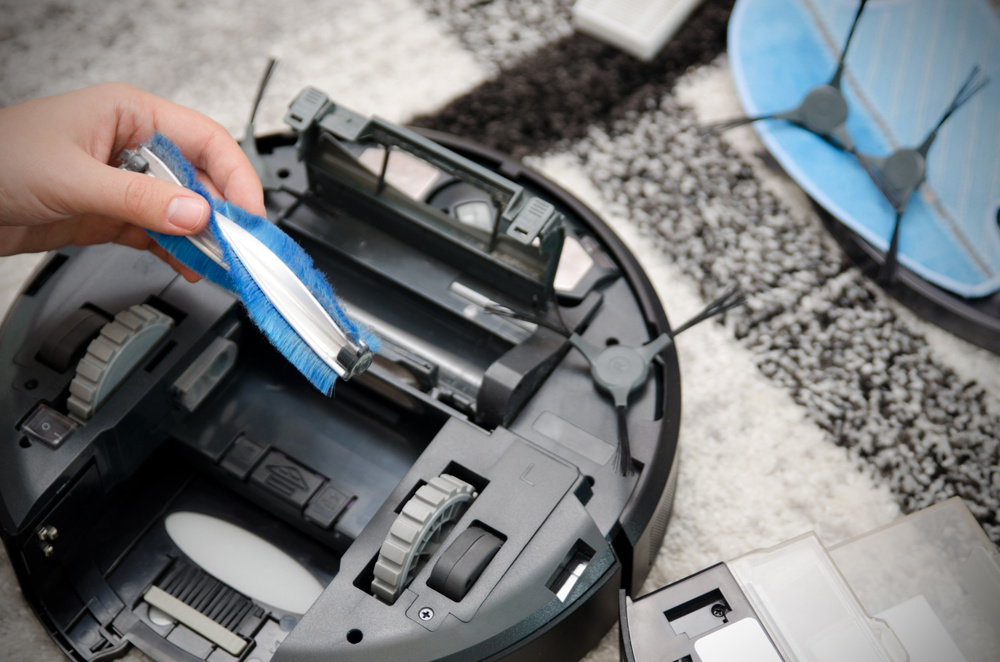
Today’s robot vacuums are far more advanced. Many models use mapping technology, app controls, scheduled cleaning, automatic dirt disposal, and sensors that help them avoid stairs and obstacles.
Early Vacuums Were Sold as Health Devices
Vacuum cleaner marketing has often focused on health.
That makes sense when you consider the time period. In the late 1800s and early 1900s, scientific understanding of germs, bacteria, and disease was growing rapidly. People became more concerned about cleanliness inside the home.
Dust was no longer seen as a harmless annoyance. It became associated with germs, allergies, and poor living conditions.
Vacuum manufacturers used that concern in their advertising. They promoted vacuums as tools that could help protect families by removing dust instead of scattering it. Companies such as Electrolux leaned into this message during the 1920s, presenting vacuum cleaners as part of a cleaner and healthier way to live.
That idea has never fully disappeared.
Modern vacuum brands still promote allergy protection, pet hair removal, sealed filtration, and HEPA technology. The message has changed with the science, but the basic appeal remains the same. A cleaner floor can also mean cleaner air.
NASA Developed Vacuum Technology for the Moon
Vacuum technology has even reached space.
NASA has supported the development of lunar vacuum systems designed to collect loose material from the Moon’s surface. One example is the Lunar PlanetVac, developed by Honeybee Robotics.
Instead of working like a household vacuum, this system uses gas to move lunar soil, also called regolith. The particles can then be collected and studied.
This kind of technology matters because future Moon missions may need to gather surface material quickly and safely. Lunar dust is fine, abrasive, and difficult to manage. It can stick to equipment and cause problems for machines and habitats.
A vacuum-style collection system gives scientists and engineers a way to sample the Moon’s surface without relying only on digging arms or scoops.
It is a long way from cleaning carpet, but the basic idea is still familiar: move particles from one place into a controlled collection system.
The $1 Million Vacuum Cleaner Was Built as a Luxury Novelty
Most people shop for vacuum cleaners based on suction, weight, price, and reliability. One company took a very different approach.
GoVacuum created the GV62711, a vacuum cleaner priced at $1 million. Its most famous feature was 24-karat gold plating.
The gold did not improve cleaning performance. It was a luxury gimmick, and the company seemed fully aware of that. The machine was designed to attract attention rather than solve a household cleaning problem.
Only a limited number were made. It included a lifetime warranty, but even that did not make the price practical for most buyers.
The million-dollar vacuum is a reminder that even ordinary household tools can become novelty items when design, marketing, and status symbols collide.
Why Vacuum Cleaners Still Matter
Vacuum cleaners have come a long way from hand-pumped bellows and horse-drawn machines.
They have become smaller, stronger, smarter, and easier to use. They help remove dirt from carpets, improve indoor air, manage pet hair, and make cleaning faster. In some cases, they can even clean while people are away from home.
Their history also shows how much technology can hide inside a familiar object. A vacuum cleaner depends on air pressure, filtration, motor design, brush movement, and careful airflow. It may look simple from the outside, but it reflects more than a century of invention.
The next time you pull a vacuum out of the closet, it may be worth remembering that this everyday appliance has a story filled with science, salesmanship, health concerns, robotics, and even space exploration.