How Robot Vacuums Rolled Their Way Into Pop Culture
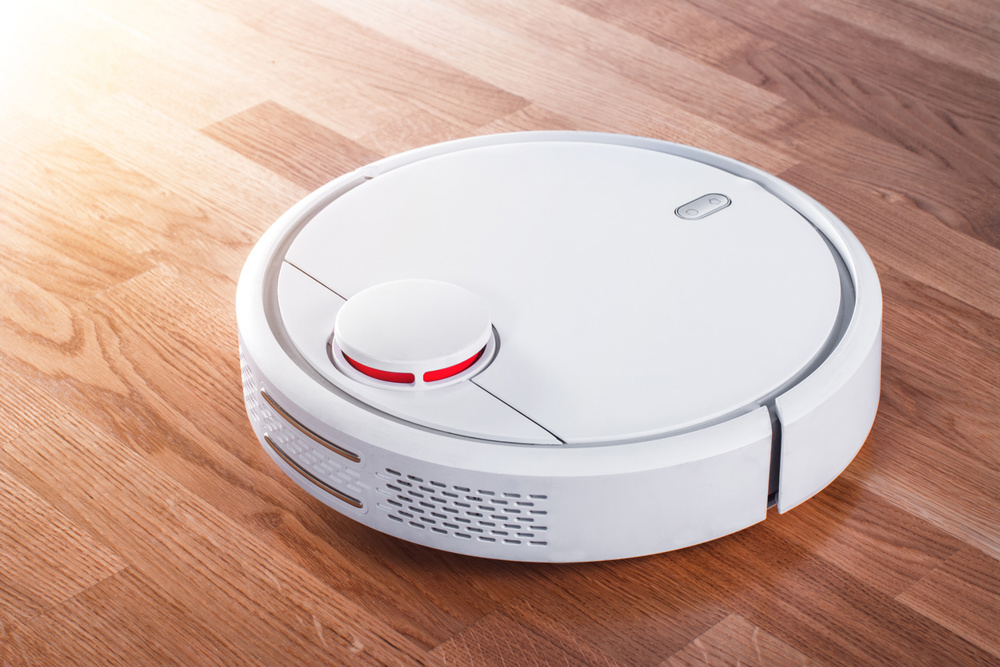
Robot vacuums began as futuristic gadgets. Then they became living room regulars, internet jokes, household helpers, and oddly beloved members of the family.
That shift did not happen by accident. Movies, TV shows, sci-fi robots, social media posts, and clever product marketing all helped turn robot vacuums into pop culture fixtures. They no longer feel like cold pieces of technology. For many owners, they feel like tiny household characters with jobs, habits, quirks, and names.
You may have seen one glide across a sitcom floor, bump into a chair in a viral video, or carry a cat like royalty across someone’s kitchen. You may even have named your own robot vacuum something ridiculous, like Dustbin Hoffman, Obi-Wan Cleanobi, or Optimus Grime.
That is where the fun begins.
Why So Many People Name Their Robot Vacuums
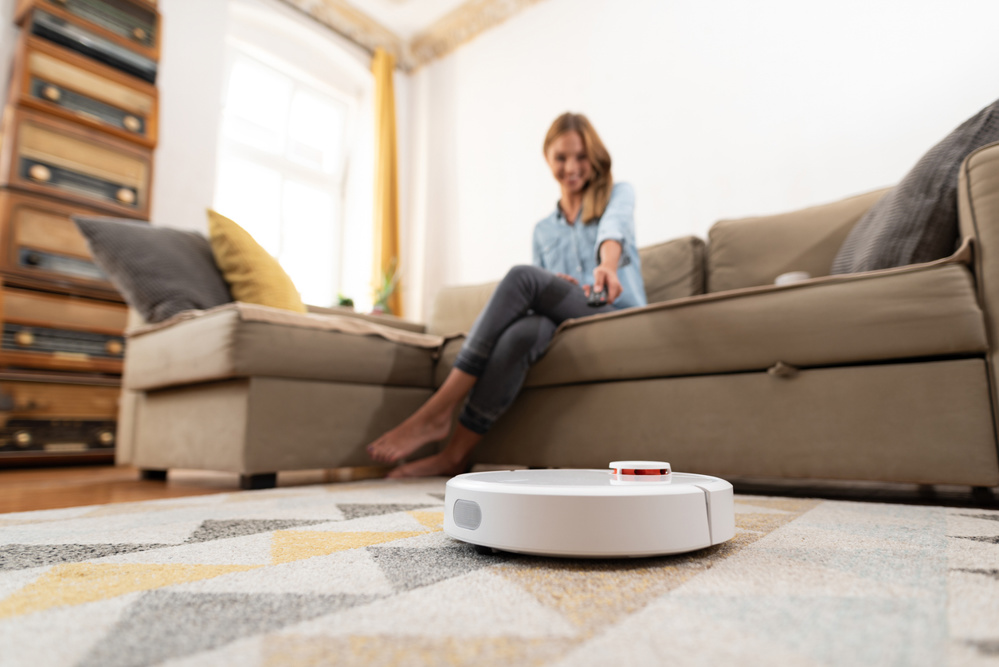
Something funny happens when you give a robot vacuum a name. It stops feeling like a plain appliance. It starts feeling like part of the household routine.
A vacuum with no name cleans the floor. A vacuum named DustVader patrols the hallway. A vacuum named Clean Latifah has a job to do. A vacuum named Meryl Sweep gets compliments for dramatic performances under the couch.
That small act of naming changes how people talk about the device. Owners often describe their robot vacuums as if they have personalities. They say the vacuum “got stuck again,” “went exploring,” “picked a fight with a sock,” or “saved the day before guests arrived.”
Of course, the vacuum is still a machine. It does not think, feel, or understand its name the way a pet would. Yet people naturally attach meaning to objects that move on their own. A robot vacuum crosses a room, changes direction, reacts to obstacles, and returns to its dock. That movement gives it a sense of character, even when its behavior comes from sensors and programming.
Naming also makes chores feel lighter. Vacuuming has never been the most exciting task. But sending Sir Cleans-a-Lot into battle against crumbs adds a little humor to the day. The machine still does the work, but the name gives the moment a story.
The Pop Culture Characters Behind the Names
Many robot vacuum names come straight from movies, TV, and fan culture. That makes sense. Pop culture already gave us decades of memorable robots, household helpers, and lovable machines.
Rosie from The Jetsons helped shape the idea of a robot as a domestic assistant. She was funny, capable, and full of personality. For many viewers, she became one of the earliest examples of a robot that belonged inside a home rather than a lab or spaceship.
WALL-E added a different emotional layer. He was small, determined, expressive, and easy to root for. Even though he lived in a very different world from a suburban living room, his character made people see small robots as charming rather than intimidating.
Then there are names inspired by major franchises. Star Wars gives owners names like R2-Clean2, BB-8, and DustVader. Superhero fans might choose The Incredible Sweep or Captain Americlean. Movie lovers often go for wordplay, turning famous names into cleaning puns.
These names work because they borrow personality from characters people already know. A plain robot vacuum may seem practical. A vacuum named Obi-Wan Cleanobi feels like it has a mission.
Check out MrPopCulture.com and learn more about robot vacuum trends.
Why Robot Vacuums Feel So Easy to Personify

People have always given personality to objects. Cars get names. Boats get names. Favorite mugs, guitars, and laptops sometimes get names too. Robot vacuums make that habit even easier because they move without direct human control.
They roam from room to room. They pause. They turn. They get trapped under furniture. They return to their base when the job is done. From the outside, those actions can look oddly intentional.
That is why owners often describe robot vacuums in human terms. A vacuum that misses a patch of dust may seem lazy. One that repeatedly bumps into a chair may seem stubborn. One that disappears under the bed for twenty minutes may seem adventurous.
The randomness adds to the charm. Even with smart mapping and advanced navigation, robot vacuums can still surprise their owners. They may take an unexpected path, wedge themselves in a tight spot, or drag a sock across the room like a strange little trophy.
Those moments turn a household appliance into a source of stories. People share photos, videos, and jokes because the vacuum gives them something funny to talk about.
How Movies and TV Helped Make Robot Vacuums Feel Familiar
Robot vacuums became easier to accept because pop culture had already prepared people for them.
For decades, television and film introduced audiences to robots that helped, cleaned, protected, or lived alongside humans. Some were futuristic. Some were silly. Some were emotional. Together, they made the idea of a helpful home robot feel less strange.
When actual robot vacuums began appearing in homes, they carried some of that fictional baggage with them. They seemed modern and slightly futuristic, yet familiar enough to feel safe.
Sitcoms, commercials, animated shows, and online videos pushed that familiarity even further. A robot vacuum gliding across a floor became a visual shorthand for convenience. It said, “This home is modern.” It also said, “Something funny might happen.”
That second part matters. Robot vacuums are useful, but they are also naturally comedic. They bump into things. They interrupt pets. They appear in the background of daily life at unexpected moments. A moving disc on the floor has built-in comic timing.
Before robot vacuums became common, traditional vacuum cleaners had already earned a place in entertainment. Classic shows often used household appliances to reflect domestic life, modern convenience, or slapstick chaos. Robot vacuums updated that image for the smart-home era.
Why Social Media Turned Robot Vacuums Into Stars
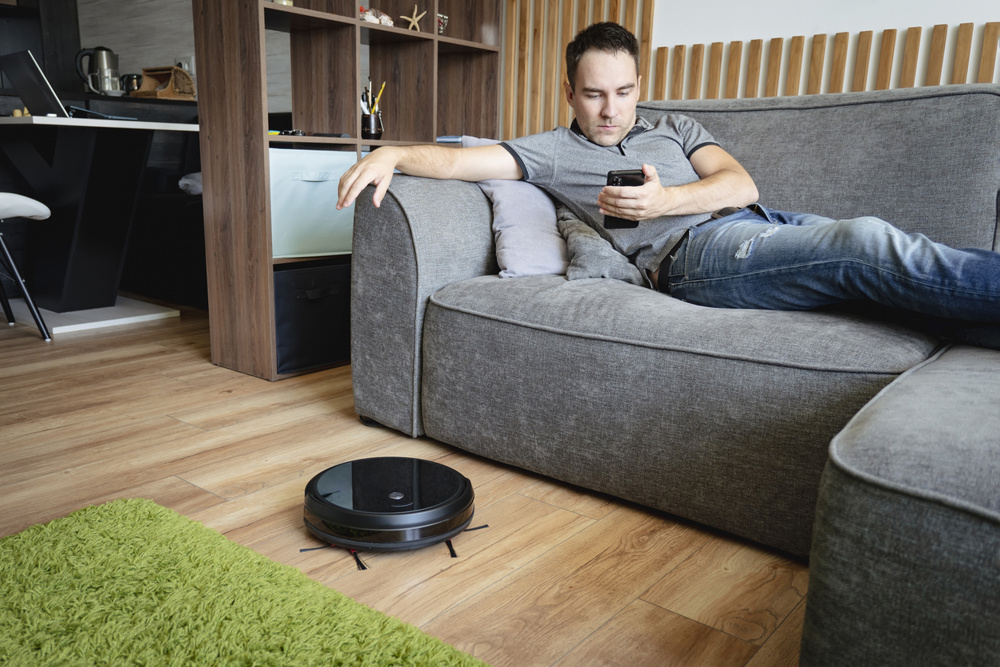
Television helped normalize robot vacuums, but social media made them funny.
A robot vacuum does not need a script to create a memorable moment. It only needs a confused dog, a curious cat, a loose shoelace, or a badly placed rug. That makes it perfect for short videos.
Pet videos played a major role in the robot vacuum’s online fame. Cats riding robot vacuums became an internet classic. Dogs barking at them, following them, or treating them like invaders added even more entertainment value.
Then came the naming posts. Owners began sharing screenshots of their vacuum apps with names like Sweep Caroline, Floorcerer, Dustin Bieber, and Edgar Allan Mop. The joke spread because it was easy to join. Anyone with a robot vacuum could create a pun and share it.
That kind of humor helped robot vacuums move from “smart appliance” territory into everyday pop culture. They became part of how people talk about modern home life.
Robot Vacuums and the Smart Home Fantasy
Robot vacuums also fit neatly into the dream of the smart home. They promise a cleaner floor with less effort. They connect to apps. They respond to voice assistants. Some map rooms, avoid obstacles, empty their own bins, and follow custom schedules.
That sounds like science fiction, but it now happens in regular homes.
Voice control makes the experience feel especially futuristic. Telling a device to clean the kitchen still has a little sci-fi thrill, even after the novelty wears off. The same goes for watching a vacuum leave its dock, clean a room, and return to charge without help.
Modern models also offer features that once sounded unrealistic. Many can detect furniture, avoid stairs, move around pet bowls, and clean on a schedule. Some can increase suction on carpets or create digital maps of different rooms.
The technology is practical, but the feeling is emotional. People enjoy the sense that their home is helping them back.
When the Sci-Fi Promise Meets Real Life
Of course, robot vacuums are not perfect.
They still get stuck. They still eat phone chargers. They still struggle with certain rugs. They may miss corners, trap themselves under furniture, or stop dramatically in the middle of a room because they found a sock.
That imperfection may actually make people like them more.
A flawless machine would be useful, but a slightly awkward machine becomes funny. Its mistakes give it personality. Owners complain about their robot vacuums in the same affectionate tone they use for pets, family members, or old cars.
That mix of usefulness and silliness gives robot vacuums their pop culture staying power. They save time, but they also create little moments of entertainment.
Why Brands Lean Into the Personality
Robot vacuum brands understand the appeal. Many apps allow owners to name their devices. Some product campaigns highlight convenience, intelligence, mapping, and automation, but the personality angle often does just as much work.
A named vacuum feels easier to talk about. It feels less like hardware and more like a household helper. That emotional connection can make owners more likely to use it, recommend it, and share stories about it.
The naming trend also helps brands without requiring much effort. Every punny name posted online becomes free entertainment. Every video of a vacuum escaping a room, chasing pet hair, or carrying a cat adds to the cultural image.
The result is a rare kind of appliance marketing. People are not only buying the product. They are participating in the joke.
Why Robot Vacuums Became So Easy to Love
Robot vacuums arrived at the perfect cultural moment. Homes were getting smarter. People were busier. Social media rewarded everyday humor. Pop culture had already trained audiences to see helpful robots as charming.
The robot vacuum brought all of that together in one small, roaming machine.
It handles a chore most people would rather avoid. It moves in ways that feel lively. It creates funny moments without trying. It invites names, jokes, and stories. It can be practical in the morning and meme-worthy by lunch.
That combination explains why robot vacuums have rolled so smoothly into pop culture. They clean floors, but they also give people something to laugh about, talk about, and personalize.
A robot vacuum may begin as a gadget. Once it has a name, a routine, and a few ridiculous stories attached to it, it becomes part of the household cast.